

Electrical disturbances have a sneaky way of undermining even the most sophisticated electronic devices, often without a single warning sign until lights begin to flicker or equipment malfunctions. These disruptions, known as harmonics and flicker, are not just technical jargon. They represent very real challenges in power quality that can affect device performance, shorten lifespans, and even throw entire facilities off balance.
What Are Harmonic and Flicker Disturbances in Electronic Devices?
Defining Harmonics: Causes and Characteristics
Picture the perfect sine wave of an electrical current. Now imagine that wave distorted by extra, unwanted frequencies layered on top, creating a jagged, irregular signal. Those are harmonics in action. Caused by non-linear loads such as computers, LED lighting, and variable-speed drives, harmonics are multiples of the fundamental frequency (usually 50 or 60 Hz). Not only do they alter the quality of power, but they can also trigger overheating and excessive wear in electrical systems.
Understanding Flicker: What Causes Light Fluctuations?
Flicker is what happens when voltage fluctuations in the power supply cause perceivable changes in light intensity. Have you ever noticed lights dimming or brightening as large devices switch on or off? Flicker is responsible for that visual annoyance, which, at severe levels, can lead to discomfort or even health concerns for building occupants.
Why These Disturbances Matter in Power Quality
When harmonics and flicker slip past unnoticed, the consequences ripple throughout the entire electrical environment. Power losses increase, sensitive equipment can malfunction, and complaints about lighting quality become common. For manufacturers, failing to tame these disturbances can mean costly recalls or denied product certifications.
How Are Harmonic and Flicker Emissions Measured?
Overview of Testing Standards (IEC 61000-3 Series)
International standards keep everyone on the same page. Harmonic and flicker testing is primarily guided by the IEC 61000-3 series, including:
– IEC 61000-3-2 (harmonic current emissions)
– IEC 61000-3-3 (voltage fluctuations and flicker)
– IEC 61000-3-11, and 61000-3-12 for higher-power equipment
These standards detail acceptable emission limits for devices connected to public low-voltage networks.
Equipment and Methods Used in Harmonic Testing
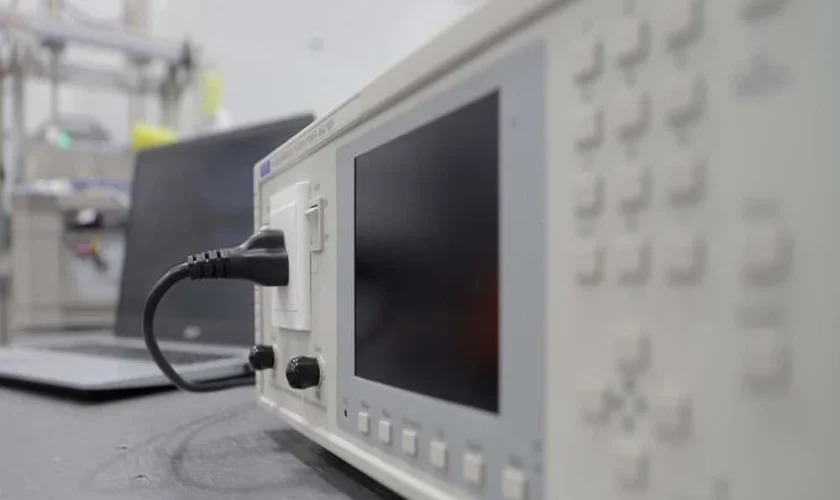
Testing for harmonics requires precise instrumentation, including power analyzers and spectrum analyzers that can capture current waveforms and decompose them into fundamental and harmonic components. Devices under test are operated under typical loading, and results are carefully compared to regulatory thresholds.
Techniques for Measuring Flicker Effects
To quantify flicker, test labs simulate real-world power line conditions, monitoring voltage changes and translating them into metrics like short-term and long-term flicker severity (Pst and Plt). Specialized flicker meters help determine whether a device’s emissions are perceptible or disruptive.
What Are the Practical Implications of Harmonic Distortion?
Impact on Power Systems and Grid Stability
Unchecked harmonics don’t just threaten individual devices. They can interact across the entire electrical grid, causing overheating in transformers, excessive neutral currents, and premature equipment failures. Utilities sometimes charge penalties for customers who introduce excessive harmonics.
Effects on Electronic Device Performance and Lifespan
Harmonic distortion can lead to:
– Reduced efficiency in motors and transformers
– Data loss or malfunction in sensitive electronics
– Overheating and degraded insulation in wiring
Over time, these effects accumulate, cutting into a product’s expected lifespan and increasing maintenance costs.
Economic Consequences for Manufacturers and Consumers
For manufacturers, failing compliance testing means costly redesigns or lost market access. Consumers may face higher energy bills and frequent repairs. In regulated markets, non-compliant products may even be banned from sale.
How Does Flicker Affect Electronic Devices and Lighting Systems?
Visual and Operational Impact on Lighting Quality
Even minor flicker can cause eyestrain, headaches, and complaints about lighting quality in homes and offices. In high-precision environments, such as laboratories or manufacturing lines, flicker can even disrupt sensitive measurements or processes.
Flicker-Induced Issues in Sensitive Equipment
Medical devices, broadcast equipment, and laboratory instruments are especially vulnerable, where flicker can mean the difference between a correct reading and a costly error.
Regulatory Limits and Compliance Requirements
Authorities in the EU, North America, and Asia enforce strict flicker emission limits. Products that do not comply with these constraints simply cannot enter certain markets.
What Testing Procedures Are Involved in Harmonic and Flicker Assessments?
Step-by-Step Process of Conducting Harmonic Testing
A typical harmonic testing process involves:
1. Conditioning the device under test as per standard guidelines
2. Measuring emission levels under various load conditions
3. Comparing results against relevant standards
4. Generating detailed compliance reports
Flicker Testing Protocols and Threshold Determination
Flicker testing calls for simulating network disturbances and monitoring the device’s impact on light fluctuation indices. Passing means staying below perceptibility thresholds set by IEC 61000-3-3.
Common Challenges and Troubleshooting in Testing
False positives caused by test setup errors, fluctuating ambient conditions, and incorrect loading are common hurdles that expert labs know how to avoid.
How Do Manufacturers Use Harmonic and Flicker Testing to Ensure Compliance?
Integrating Testing in Product Development Cycles
Sophisticated manufacturers bake compliance testing into every design stage, not just as a last-minute hurdle. Early detection of emission issues allows for efficient fixes without derailing schedules or budgets.
Navigating International Certification and Market Access
Meeting global standards opens doors to markets worldwide. The right partner lab streamlines certification for CE marking in Europe, FCC in the US, or other global requirements.
Case Studies: Successful Certification through Testing
Countless products reach shelves on time and without costly recalls thanks to early and thorough harmonic and flicker testing, building consumer trust and brand reputation.
What Are the Latest Advances and Trends in Harmonic and Flicker Testing?
Innovations in Measurement Technology
Modern test labs now use real-time analytics and automated test rigs, making compliance checks faster and more accurate than ever.
Emerging Standards and Regulatory Updates
As renewable energy devices and smart electronics proliferate, standards like the IEC 61000-3 series are evolving to address new sources of interference.
Future Challenges for EMC and Power Quality Testing
The rise of electric vehicles, solar inverters, and high-efficiency lighting means even more scrutiny on power quality, demanding innovation from both manufacturers and testing labs.
Where Can You Access Professional Harmonic and Flicker Testing Services?
Choosing an Accredited EMC Testing Laboratory
Not all labs are created equal. Look for those with ISO/IEC 17025 accreditation, ensuring both technical competence and impartiality.
Benefits of ISO/IEC 17025 Accreditation
Accreditation means test results are globally recognized and trusted, smoothing the way for international product launches.
How to Prepare Your Product for Testing and Certification
Thorough documentation, clear test plans, and early consultation all help streamline the path from design to market. For comprehensive support and peace of mind, many manufacturers turn to resources like Stancer Testing-Lab EMC testing, which offers expert guidance and accredited services for compliant, market-ready products.