






แทงบอลออนไลน์
Health – Wam Times

Health

Health

You Can’t ‘Close’ Pores—So What Do Treatments Really Do?

Key Takeaways

  • Pores do not open or close; their size is structurally determined by genetics, oil production, and skin condition
  • “Wide pores treatment” focuses on reducing the appearance of pores rather than physically shrinking them
  • Most medical aesthetics procedures target oil control, collagen stimulation, and surface texture refinement
  • Consistent maintenance is required; results are gradual and not permanent
  • Combining treatments with proper skincare produces more stable outcomes

Introduction

The idea that pores can be opened or closed is common, but it is not accurate. Pores are fixed structures in the skin that do not have muscles to contract or expand. What people observe as “larger” or “smaller” pores is typically a change in how visible they appear. This distinction is important when evaluating any wide pores treatment or procedure offered in medical aesthetics. Rather than altering pore size directly, treatments work by managing the factors that make pores more noticeable, such as oil buildup, reduced skin elasticity, and uneven surface texture.

What Makes Pores Look Larger

Pore visibility is influenced by several factors. Excess sebum production can stretch the pore lining, making it appear larger. Accumulated debris, including dead skin cells, can further exaggerate this effect. Ageing also plays a role, as collagen loss reduces skin firmness, causing pores to appear more pronounced. Sun exposure accelerates this process by degrading structural proteins in the skin.

Another factor is skin thickness and texture. Once the surrounding skin becomes rough or uneven, pores cast more visible shadows. This instance is why individuals with acne history or chronic congestion often report more prominent pores. A wide pores treatment strategy typically addresses one or more of these contributing elements rather than targeting the pore itself.

Surface-Level Treatments and Their Role

Topical and superficial treatments aim to improve how pores look by refining the skin’s surface. Chemical exfoliants, such as alpha and beta hydroxy acids, help remove dead skin cells and reduce clogging. This approach can make pores appear less noticeable because there is less material stretching the opening.

Procedures like chemical peels and microdermabrasion operate on the same principle but at a more controlled intensity. These treatments promote cell turnover and smooth the outer layer of the skin. While they do not reduce pore size, they can create a more uniform surface, which reduces visual contrast around pores.

Oil control is another focus. Ingredients like retinoids regulate sebum production over time, preventing pores from appearing enlarged due to excess oil. However, results depend on consistent use and are not immediate.

Collagen-Stimulating Procedures

A more structural approach in medical aesthetics involves stimulating collagen production. Treatments such as laser therapy, radiofrequency, and microneedling aim to improve skin firmness. Once the surrounding tissue becomes tighter and more supported, pores appear smaller because the skin holds its shape more effectively.

This category of wide pores treatment addresses one of the underlying causes of enlarged pores-loss of elasticity. However, collagen production is gradual. Multiple sessions are typically required, and outcomes vary depending on individual skin response. Maintenance treatments are often necessary to sustain the effect, as collagen continues to break down with age.

Why Results Are Temporary

No current treatment can permanently alter pore size. The skin is constantly undergoing renewal, and factors like oil production, environmental exposure, and ageing continue to influence pore appearance. Even after undergoing medical aesthetics procedures, pores may become more visible again over time if maintenance is not followed.

This instance is why most treatment plans combine in-clinic procedures with daily skincare. Remember, without ongoing care, the conditions that made pores appear enlarged will return. It is also important to manage expectations, as improvements are typically moderate rather than transformative.

Conclusion

Pores cannot be opened or closed, and treatments do not change their actual size. Instead, wide pores treatment methods focus on reducing visibility by addressing oil production, surface texture, and skin firmness. Medical aesthetics provides tools to manage these factors, but results depend on consistency and realistic expectations. Understanding what treatments can and cannot do helps in selecting approaches that align with how the skin functions rather than relying on inaccurate assumptions.

Contact Halley Medical Aesthetics and let us map out what combination of treatments and maintenance routines will realistically improve your skin texture.

read more
Health

How Often Should You Use Anti-Dandruff Shampoo for Best Results?

Key Takeaways

  • Anti-dandruff shampoo works best when used consistently but not excessively
  • Most people benefit from using anti-dandruff shampoo two to three times a week
  • People with irritation may need a shampoo for a sensitive scalp to avoid dryness
  • Climate and humidity in Singapore can influence how often anti-dandruff shampoo should be used
  • Alternating shampoos helps maintain scalp balance while reducing flakes

Introduction

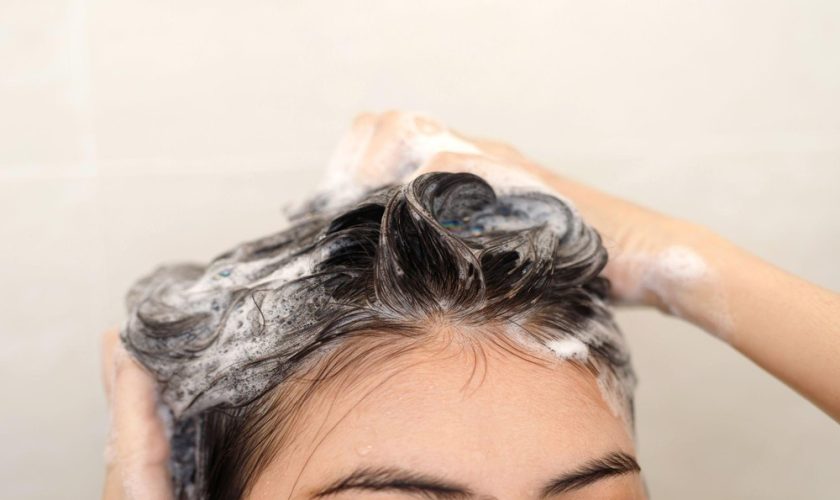
A few flakes on the shoulder may seem like a small nuisance, but a constantly itchy scalp can feel far more frustrating. Dandruff is one of those hair concerns that quietly affects many people, especially in warm and humid places like Singapore, where sweat, oil, and pollution can easily irritate the scalp. That is why anti-dandruff shampoo in Singapore has become a common staple in many bathrooms.

Still, using it raises a practical question: how often is enough?

Some people wash with it every day, hoping to stop flakes quickly, while others use it only when the problem becomes obvious. Neither approach always works well. The trick lies in finding a rhythm that clears flakes without upsetting the scalp’s natural balance, particularly for those who rely on a shampoo for a sensitive scalp to avoid irritation.

Understanding how often to use anti-dandruff shampoo can make the difference between a routine that keeps flakes away and one that quietly makes the scalp feel worse.

Understanding How Anti-Dandruff Shampoo Works

Most anti-dandruff products do more than just clean the hair. They target a yeast called Malassezia, which naturally lives on the scalp but can grow excessively in humid conditions.

That is why many dermatologists recommend using an anti-dandruff shampoo in Singapore regularly rather than occasionally. Ingredients like zinc pyrithione, ketoconazole, or salicylic acid help slow yeast growth and reduce the flaking cycle.

Think of it a bit like maintaining an air-conditioner filter. If cleaning only happens once in a while, dust builds up again quickly. Consistency keeps things balanced. However, regular use does not mean daily washing for everyone.

Finding The Right Frequency For Your Scalp

For most people dealing with mild to moderate dandruff, using anti-dandruff shampoo about two to three times a week works well. This schedule allows the active ingredients to control flakes without stripping the scalp’s natural oils.

In Singapore’s humid weather, sweat and oil can build up quickly, which is why anti-dandruff shampoo in Singapore often becomes part of a weekly routine rather than an occasional fix. Still, scalp sensitivity matters.

Some individuals notice dryness or slight irritation when using medicated formulas frequently. In those situations, alternating with a shampoo for a sensitive scalp can help maintain comfort while keeping flakes under control. The key is balance rather than strict rules.

When Your Scalp Is Sensitive

Not all scalps react the same way. Some respond well to stronger formulas, while others become itchy after repeated use.

That is where a shampoo for a sensitive scalp plays a helpful role. These products usually contain gentler cleansers and soothing ingredients like aloe vera, oat extract, or panthenol.

Alternating between treatments can help calm irritation without abandoning dandruff care altogether. For example, someone might use anti-dandruff shampoo in Singapore twice a week and switch to a shampoo for a sensitive scalp on other wash days. It sounds simple, yet this small adjustment often makes a noticeable difference in comfort.

Signs You Might Be Using It Too Often

There is a common misconception that more shampoo equals better results. Strangely enough, the opposite can happen.

Using anti-dandruff formulas every day sometimes leaves the scalp dry or slightly tight. When the scalp becomes irritated, it may actually produce more oil, which can make flakes appear worse.

A few warning signs include persistent dryness, redness, or a tingling sensation after washing.

If that happens, scaling back the medicated wash and incorporating a shampoo for a sensitive scalp often restores balance. The scalp usually settles down within a week or two once the routine becomes gentler.

Building A Simple Hair Care Routine

Managing dandruff does not require an elaborate routine. A practical approach often works best. Start with an anti-dandruff shampoo, two or three times per week. Leave the shampoo on the scalp for a minute before rinsing so the active ingredients have time to work.

On other days, wash with a shampoo for a sensitive scalp to maintain comfort and hydration. Some people even follow with a lightweight conditioner, focusing on the hair length rather than the scalp.

Small habits help as well. Avoid scratching the scalp, rinse thoroughly after workouts, and keep hair tools clean. In Singapore’s warm climate, these details quietly support scalp health.

Conclusion

Dandruff can feel frustrating, yet the solution is usually straightforward. Using anti-dandruff shampoo in Singapore two to three times a week tends to keep flakes under control while protecting the scalp’s natural balance.

For those prone to irritation, alternating with a shampoo for a sensitive scalp provides a gentler approach that still supports healthy hair. The routine may take a little experimentation, but once the right rhythm is found, the scalp usually responds quickly.

Looking for effective scalp care products? Contact Bee Choo Origin today to explore high-quality anti-dandruff solutions designed for healthier hair and long-lasting scalp comfort.

read more
Health

Aidite Multilayer PMMA: The Go-To Choice for Natural-Looking Temporary Crowns!

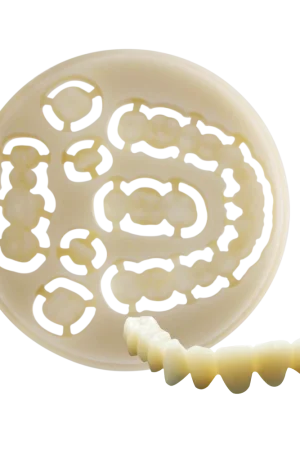
In digital dentistry, aesthetics and performance often go hand in hand. Patients today expect temporary crowns that look and feel just like the final restoration, and dental labs need materials that deliver both beauty and strength with efficiency. That’s where Aidite Multilayer PMMA has quickly become a favorite among professionals.

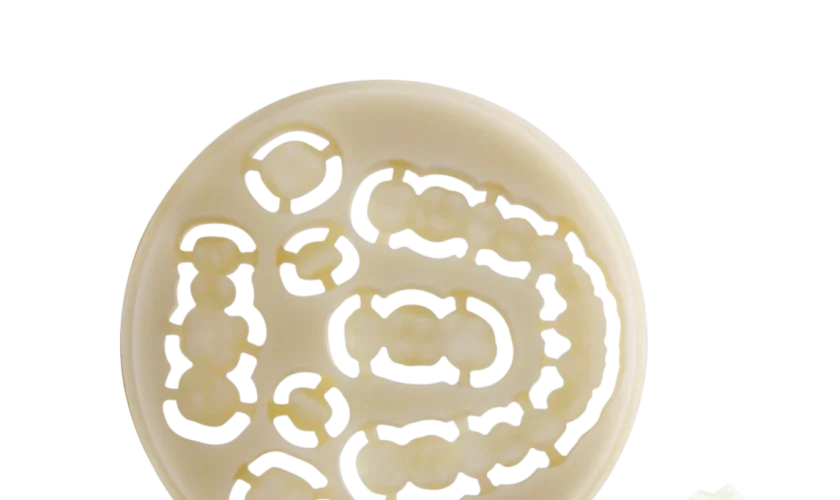
Engineered for CAD/CAM milling systems, multilayer PMMA blocks Aidite offer lifelike color transitions, excellent machinability, and impressive biocompatibility, giving labs the freedom to create temporary restorations that are both functional and beautiful.

What Makes Aidite Multilayer PMMA Different?

PMMA (Polymethyl Methacrylate) has long been the go-to material for provisional restorations. But Aidite’s multilayer design takes it several steps further.

Each disc features a gradient layering structure that mimics the chroma and translucency of natural teeth — from cervical to incisal. This means the crown doesn’t just match the shade; it replicates the depth and warmth of real enamel.

When you choose Aidite PMMA multilayer, you get:

  • Natural shade transition: Smooth color gradients for realistic restorations.
  • Excellent milling performance: Reduced chipping, faster milling speeds, and smoother finishes.
  • Strong mechanical properties: High flexural strength suitable for long-term temporary crowns and bridges.
  • Easy polishing and glazing: Achieves natural luster with minimal effort.
  • Biocompatibility: Safe for intraoral use, ideal for extended provisional wear.

This combination of strength, esthetics, and workability makes it a standout choice for labs looking to streamline workflow without sacrificing quality.

Why Multilayer Technology Matters

Traditional single-shade PMMA discs often produce restorations that look flat or overly opaque. Multilayer discs, however, bring artistry back into automated manufacturing.

The Aidite PMMA dental discs replicate natural enamel layering through precisely calibrated pigment gradients. Each layer represents a different level of translucency — allowing light to pass through and reflect like a natural tooth.

This not only enhances the final look but also reduces the need for external staining or layering, saving valuable time for technicians while maintaining lifelike detail.

Applications: Beyond Temporary Crowns

While it’s best known for provisional work, Aidite Multilayer PMMA is incredibly versatile. Dental labs use it for:

  • Temporary crowns and bridges (single or multiple units)
  • Long-term provisional restorations during implant healing
  • Diagnostic mock-ups and smile-design prototypes
  • Veneers and inlays for patient trials

Its stability and esthetics make it an excellent option for testing occlusion, function, and shade matching before final zirconia or ceramic fabrication.

Performance That Impresses Dental Labs

Labs adopting multilayer PMMA blocks Aidite often highlight three key benefits:

  1. Time Efficiency: Optimized for fast CAM machining, reducing wear on milling tools and cutting down production time.
  2. Consistency: Uniform color and density throughout each disc ensure reliable results across multiple restorations.
  3. Finishing Ease: Surfaces polish effortlessly to a glass-like shine, closely matching natural enamel texture.

With these advantages, labs can deliver high-quality temporaries that meet patient expectations — all while maintaining efficiency and profitability.

Choosing the Right Disc Thickness and Shade

Aidite’s PMMA discs come in various thicknesses (typically 12 mm – 25 mm) and multiple Vita-matched shades, giving labs flexibility for different clinical situations. The 12 mm Aidite Multilayer PMMA variant is ideal for single crowns and short-span bridges, balancing material economy with esthetic precision.

Selecting the correct disc ensures proper fit, minimal material waste, and optimal milling outcomes — key for labs aiming to scale digital production.

Where to Source Genuine Aidite PMMA Products

As demand for digital materials grows, ensuring product authenticity is critical. When you buy Key Denture Base Resin online or source Aidite PMMA dental discs, always purchase from a verified dental denture base resin supplier or authorized Aidite distributor.

Authentic products guarantee certified biocompatibility, reliable color accuracy, and traceable manufacturing — all essential for clinical safety and consistency.

Why Aidite Multilayer PMMA Is the Future of Temporaries

Temporary restorations are no longer mere placeholders — they’re a vital part of patient satisfaction and treatment success. With Aidite PMMA multilayer, dental labs can craft temporaries that look, feel, and function like the final restoration.

For technicians and clinicians alike, this material represents a perfect blend of innovation, performance, and artistry.

Final Thought

In the world of digital dentistry, precision materials define outcomes. The multilayer PMMA blocks Aidite range delivers everything dental labs need — esthetics, durability, and efficiency.

If you’re ready to create natural-looking provisional restorations with confidence, explore Aidite PMMA dental discs designed specifically for temporary crowns and other PMMA dental material applications. It’s not just a temporary solution — it’s a glimpse into the future of restorative excellence.

read more
Health

How Oxygen Therapy Enhances Wound Healing

Wound healing is a complex biological process that requires optimal conditions to proceed effectively. When a wound becomes chronic or fails to heal properly, it often indicates that the local environment is lacking essential components. One important element in the healing process is oxygen, which plays a central role in tissue repair and immune defense.

What is Oxygen Therapy

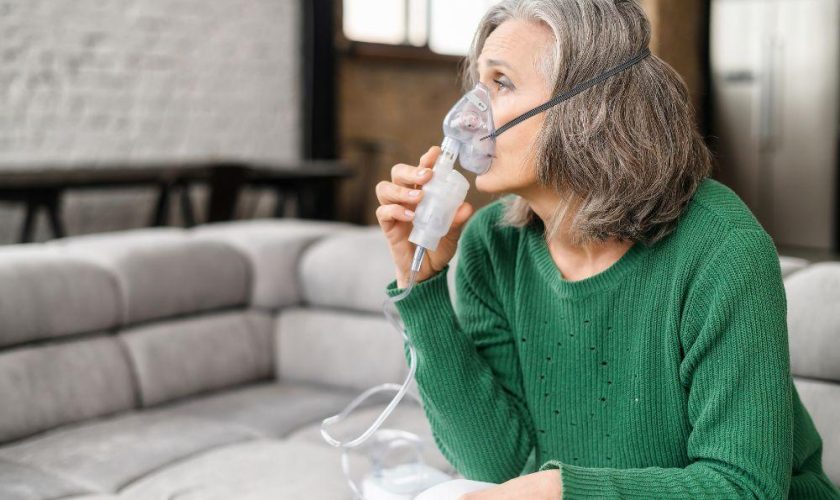
The Vaporox system is one example of oxygen therapy in wound care, which involves the use of concentrated oxygen to stimulate healing in slow-healing or non-healing wounds. This therapy can be administered in several forms, such as hyperbaric oxygen chambers, topical oxygen application, or combination systems that pair oxygen with other technologies. These approaches aim to improve the wound environment and support the body’s natural healing processes.

Why Wounds Need Oxygen

Oxygen is essential to nearly every stage of the wound healing process. It supports energy production in cells, which is necessary for rebuilding tissue and mounting immune responses. It also facilitates collagen synthesis, which gives structure to new skin and connective tissue.

Adequate oxygen levels help fight off infection by enhancing the effectiveness of white blood cells. These cells rely on oxygen to kill bacteria and clear debris from the wound site. Without sufficient oxygen, wounds may become infected or stall in the inflammatory phase.

Oxygen is also necessary for angiogenesis and the formation of new blood vessels. These vessels bring nutrients and more oxygen to the damaged area, creating a self-sustaining cycle of improved circulation and faster healing. When blood flow is compromised, external oxygen therapy can help compensate and support the process.

How Oxygen Enhances Healing

Increasing the oxygen concentration around a wound stimulates cellular activity and tissue regeneration. High oxygen levels enhance fibroblast function, which is critical for producing the building blocks of skin and other connective tissues. Oxygen also encourages keratinocyte migration, helping to close the wound from the edges inward.

Oxygen therapy can significantly reduce the bacterial load in a wound, improving the chances of healing and reducing complications. By strengthening the local immune response, oxygen helps create a more sterile and stable healing environment. This makes it especially valuable in treating wounds that are prone to infection, such as diabetic foot ulcers.

Furthermore, oxygen enhances mitochondrial activity in cells, which boosts the energy available for healing. This energy is needed for cell division, protein synthesis, and the removal of damaged tissue. With more oxygen, these cellular processes can function at their highest capacity.

Clinical Applications of Oxygen Therapy

Oxygen therapy is used to treat a variety of chronic wounds, including diabetic ulcers, venous leg ulcers, pressure sores, and post-surgical wounds that fail to close. It is particularly effective when traditional wound care methods such as dressings and debridement are no longer sufficient. Oxygen therapy helps re-engage the healing process by improving the local tissue environment.

In clinical settings, this therapy can be used as a standalone treatment or in combination with other modalities. Many wound care specialists use oxygen therapy alongside debridement, antibiotics, and compression to address multiple barriers to healing. Its flexibility and minimal invasiveness make it a valuable addition to a comprehensive wound care plan.

Patients undergoing oxygen therapy often report reduced pain, improved wound appearance, and faster healing times. Though individual results vary, the consistent element across cases is the role oxygen plays in enabling the body to do what it is naturally designed to do: repair and restore damaged tissue.

Innovations in Oxygen Delivery for Wound Care

With advances in medical technology, oxygen delivery systems are becoming more precise, portable, and effective. Newer models allow for better control of oxygen concentration, treatment duration, and the incorporation of complementary technologies. These innovations increase access to care and offer more options for patients who are unable to undergo more intensive interventions.

In the coming years, oxygen therapy is likely to play an even greater role in managing complex wounds. As systems like the Vaporox system demonstrate success in clinical settings, providers are gaining more confidence in using these technologies. For patients with difficult-to-heal wounds, oxygen therapy offers renewed hope for recovery and improved quality of life.

read more
Health

How a weed pen can help you find inner peace and calm?

Finding peace in today’s fast-paced world requires effective methods that align with personal preferences and lifestyle choices. Natural alternatives have gained significant attention for there to promote relaxation and emotional balance in our daily lives.

When we experience stress, our bodies release cortisol and other stress hormones that impact our overall well-being. The key to achieving inner peace lies in activating our body’s natural relaxation response through various techniques and tools that promote calmness and tranquillity.

Connection between breathing and relaxation

Deep breathing exercises play a crucial role in achieving a state of relaxation. Focusing on our breath slows down our heart rate, reduces muscle tension, creates a sense of mental clarity helps us navigate challenging situations with greater ease.

Modern approaches to stress management

Contemporary relaxation methods have evolved to incorporate various tools and techniques that complement traditional practices. These modern solutions offer convenience and discretion while maintaining their effectiveness in promoting inner peace and emotional balance.

A weed pen represents one such modern approach, providing a controlled and measured experience for those seeking relaxation. These devices have become increasingly popular among individuals looking for natural ways to unwind and find their centre after a demanding day.

Mindfulness in achieving calm

Mindfulness practices encourage us to stay present in the moment and observe our thoughts without judgment. When combined with proper breathing techniques and relaxation tools, mindfulness is our ability to maintain inner peace throughout the day.

The best weed pen options available today are designed to complement mindfulness practices, offering precise control over dosage and ensuring a consistent experience. This level of control allows users to find their optimal balance while maintaining awareness and presence.

Creating a relaxation routine

Establishing a regular relaxation routine helps train our minds and bodies to transition into a state of calm more easily. This routine might include meditation, gentle stretching, or other mindfulness practices that promote mental clarity and emotional balance.

Environmental factors in relaxation

Our surroundings play a significant role in our ability to relax and find inner peace. Creating a dedicated space for relaxation, free from distractions calming elements like soft lighting or peaceful sounds, can enhance our relaxation practice.

Importance of consistency

Like any wellness practice, consistency is key to experiencing lasting benefits. Regular relaxation sessions, whether meditation, breathing exercises, or other methods, help build resilience against stress and maintain a more balanced emotional state.

Physical comfort and relaxation

Physical comfort contributes significantly to our ability to relax and find inner peace. Maintaining proper posture, wearing comfortable clothing, and choosing appropriate tools and accessories can enhance our relaxation experience.

Mental preparation techniques

Preparing our minds for relaxation involves letting go of daily stressors and creating mental space for peace. This might include simple visualization exercises, affirmations, or other techniques that help transition from a stressed to a relaxed state.

Building sustainable practices

Developing sustainable relaxation practices ensures long-term success in maintaining inner peace. This involves choosing methods and tools that integrate seamlessly into our lifestyle and support our overall wellness goals.

Physical activity complements relaxation practices and stress hormones and promotes the release of endorphins. Regular exercise can improve our ability to achieve and maintain a state of calm during relaxation sessions.

Nutrition and relaxation

What we eat and drink can significantly impact our ability to relax. Maintaining a balanced diet and staying hydrated supports our body’s natural to manage stress and achieve inner peace.

Social support and community

Having a supportive community or sharing relaxation practices with others can enhance our commitment to maintaining these beneficial habits. Group meditation sessions or sharing experiences with like-minded individuals can provide motivation and accountability.

Relaxation practices

As our understanding of stress management continues to evolve, new tools and techniques will emerge to support our quest for inner peace. Staying informed about these developments while maintaining proven relaxation practices ensures a well-rounded approach to emotional wellness.

Finding inner peace and calm requires a personalized approach that combines various techniques and tools suited to individual preferences. By incorporating mindful practices, creating supportive environments, and maintaining consistency in our relaxation effective strategies for managing stress and achieving lasting tranquillity in our daily lives.

read more
Health

Exploring the Potential of CBD for Mental Well-being 

Cannabidiol, or CBD, is a chemical substance that is naturally found in cannabis plants. CBD, unlike its cousin THC, does not make you feel “high.” In other words, you can get the possible benefits of CBD without getting high.

In the past few years, CBD has gotten a lot of attention because it could benefit mental health. CBD may help with a number of mental health problems, especially if you get it from a trustworthy company like City Leaves LLC, according to studies that are still being done. 

CBD for anxiety relief. 

Are you anxious? CBD could be a natural cure that is worth looking into. Researchers have found that CBD can work with the body’s receptors to make people feel less stressed and anxious. 

CBD is thought to be safer than marijuana, which can sometimes make feelings of anxiety worse. If you are looking for a different way to deal with your anxiety, you might want to talk to your doctor about CBD.

A study released in 2015 in the Journal of Psychopharmacology found that people with social anxiety disorder who used CBD had a lot less anxiety symptoms. 

Prior to a simulated public speaking job, the people in the study were given either a placebo, a low dose of CBD, or a high dose of CBD. People who got CBD said they were much less anxious and in discomfort during the job. 

CBD for depression and PTSD. 

Early study shows that CBD may also help people with depression and post-traumatic stress disorder (PTSD) feel better. Even though more research needs to be done, it looks like CBD might be able to help control mood and ease mental pain.

A research paper that came out in 2018 in the Journal of Affective Disorders suggested that CBD might help treat depression. The review looked at a number of studies that looked at how CBD affected depression and found that most of them found CBD to be a strong antidepressant.

People with PTSD may also benefit from CBD. A 2019 study in the Journal of Clinical Psychiatry found that CBD helped soldiers with severe PTSD a lot with their PTSD symptoms. 

For eight weeks, the people in the study were given either a placebo or CBD. Participants who were given CBD had a lot fewer PTSD symptoms at the end of the study. 

CBD for overall mental wellbeing. 

The exact ways that CBD might help mental health are still being studied, but it might be useful for more than just healing certain conditions. Some studies show that CBD may be good for your mental health by making you feel calm and relaxed.

CBD might also help you sleep better. A study that came out in 2017 in the Journal of Psychopharmacology found that CBD helped people who had trouble sleeping fall asleep and stay asleep for longer. 

Some important things to consider. 

It is important to talk to your doctor before you decide to use CBD for mental health. CBD can affect how some medicines work, so it is important to make sure it is safe for you. Also, it is smart to start with a small amount and slowly raise it if needed.

It is important to remember that CBD will not help all mental health problems. It is important to get help from a professional if your mental health problems are getting worse. 

The future of CBD research. 

CBD research has a very bright future ahead of it. Scientists are looking into how CBD might be used to treat a number of mental illnesses, such as PTSD, depression, and anxiety. 

CBD is also being looked into for its possible ability to boost brain function, lower inflammation, and ease chronic pain. As the research goes on, we can expect to learn more about how CBD works and how it can help with health problems. 

read more
Health

Discover the Perfect Supinated Foot Insoles for Ultimate Comfort and Support

Key Takeaways:

  • Supination refers to the outward rolling of the foot during walking or running, which can lead to foot problems and discomfort.
  • Excessive supination can cause poor shock absorption, foot pain, instability, and an increased risk of ankle sprains.
  • Supinated foot insoles provide support, stability, shock absorption, and comfort for individuals with excessive supination.
  • Consider your foot type, specific needs, materials, features, and top brands when choosing supinated foot insoles.
  • Top brands may offer innovative designs for maximum comfort, supportive insoles for active lifestyles, or customizable options for a personalized fit.
  • Supinated foot insoles are not suitable for addressing overpronation.
  • The adjustment period for supinated foot insoles varies, and they can be beneficial for athletes.
  • Supinated foot insoles offer enhanced shock absorption, improved stability, and personalized comfort.

Why Supination Matters for Your Foot Health

Proper foot health is essential for overall well-being and comfort. One aspect that often goes unnoticed but can have a significant impact is supination. Supination refers to the outward rolling of the foot during the natural walking or running motion, where the weight is primarily placed on the outside of the foot. While slight supination is normal, excessive supination can lead to various foot problems and discomfort.

The Basics of Supination

Supination is a natural movement that occurs during the gait cycle. It begins when the heel strikes the ground, and the foot starts to roll outward. The weight is then shifted to the outer edges of the foot, specifically the pinky toe and the side of the foot. This movement helps with shock absorption and prepares the foot for the push-off phase.

The Impact of Supination on Your Feet

Excessive supination can cause several issues and discomfort. One common problem is poor shock absorption, leading to increased pressure on the foot and lower leg. This can result in foot pain, as well as discomfort in the ankles, knees, and hips.

Moreover, supination can affect the foot’s natural stability and alignment. The outward rolling motion can lead to instability and an increased risk of ankle sprains. It can also contribute to the development of conditions such as plantar fasciitis, iliotibial band syndrome, and shin splints.

Choosing the Right Insoles for Supination

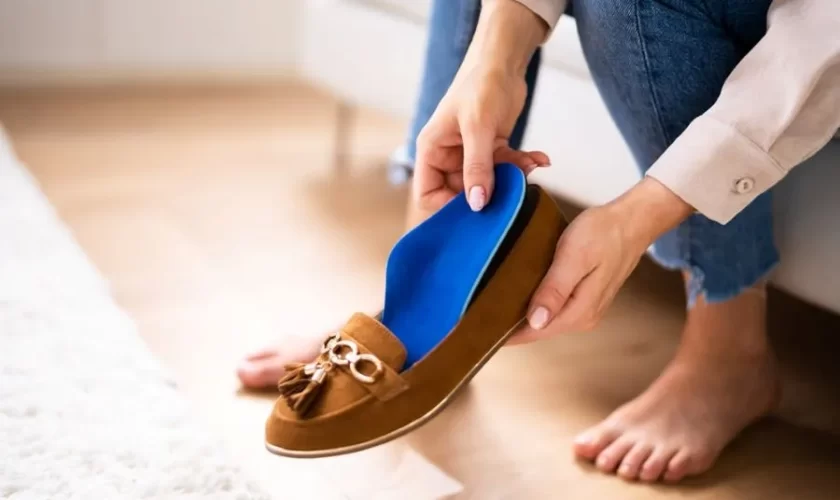
One effective way to address the issues caused by excessive supination is by using supinated foot insoles. These insoles are specifically designed to provide support and stability to the foot, helping to reduce discomfort and promote proper alignment. When choosing the right insoles for supination, there are several factors to consider.

Understanding Your Foot Type and Needs

Before purchasing supinated foot insoles, it’s important to understand your foot type and specific needs. You can start by examining your foot arch. If you have high arches, you’ll need insoles that offer ample arch support to help distribute weight evenly. On the other hand, if you have neutral or low arches, you’ll need insoles that provide both arch support and cushioning.

It’s also crucial to consider any existing foot conditions or discomfort you may have. If you experience pain in specific areas, such as the heels or balls of your feet, look for insoles that target those areas for additional support and cushioning.

The Benefits of Supinated Foot Insoles

Supinated foot insoles offer numerous benefits for individuals with excessive supination. Firstly, they provide enhanced shock absorption, effectively reducing the pressure placed on the foot and lower leg during walking or running. This can significantly alleviate pain and discomfort caused by supination, allowing you to engage in daily activities with greater ease.

In addition to shock absorption, supinated foot insoles also promote proper foot alignment and stability. They help to align the foot and ankle, preventing excessive rolling and reducing the risk of ankle sprains. By improving the foot’s stability, these insoles can also alleviate strain on the knees and hips, providing relief from associated discomfort.

Furthermore, many supinated foot insoles are made from high-quality materials that offer excellent cushioning and support. They often feature advanced technologies such as gel inserts or memory foam, which adapt to the shape of your foot, providing personalized comfort and reducing pressure points.

Selecting the Best Materials and Features

When choosing supinated foot insoles, it’s important to look for certain materials and features that enhance their effectiveness. Look for insoles made from durable materials that provide both support and cushioning. Materials such as EVA foam or polyurethane are commonly used in high-quality insoles.

Additionally, consider insoles that have moisture-wicking properties to keep your feet dry and prevent odor-causing bacteria. Breathable materials such as mesh or perforated designs can also help regulate temperature and provide a more comfortable experience.

Another important feature to consider is the thickness of the insoles. Insoles that are too thick may cause discomfort or make your shoes feel too tight, while insoles that are too thin may not provide adequate support. Look for insoles with a thickness that complements the volume of your footwear, ensuring a proper fit and maximum comfort.

Exploring the Top Supinated Foot Insoles Brands

Now that you understand the importance of supinated foot insoles and how to choose the right ones, let’s explore some of the top brands in the market known for their quality and effectiveness in addressing supination.

Brand A: Innovative Design for Maximum Comfort

Brand A is renowned for its innovative design that prioritizes maximum comfort for individuals with supination. Their insoles feature advanced cushioning technologies, such as gel inserts and memory foam, which provide exceptional shock absorption and personalized support. The insoles also have a contoured shape that adapts to the foot’s natural curves, ensuring optimal alignment and stability. Brand A offers a range of options for different foot types and specific needs, making it a popular choice among supination sufferers.

Brand B: Supportive Insoles for Active Lifestyles

If you lead an active lifestyle and require insoles that can withstand intense physical activities, Brand B is an excellent choice. Their supinated foot insoles are specifically engineered to provide exceptional support and stability during sports or high-impact workouts. The insoles are made from durable materials that offer both cushioning and responsiveness, allowing for optimal performance while reducing the risk of injuries associated with supination. Brand B also offers customization options, allowing you to tailor the insoles to your specific needs.

Brand C: Customizable Options for Personalized Fit

Brand C stands out for its customizable options that ensure a personalized fit and maximum comfort. Their supinated foot insoles come with adjustable arch support and metatarsal pads, allowing you to customize the level of support based on your foot’s unique requirements. The insoles are made from high-quality materials that offer excellent shock absorption and cushioning. Brand C also provides a fitting guide to help you determine the best size and fit for your feet, ensuring optimal effectiveness and comfort.

Frequently Asked Questions about Supinated Foot Insoles

Can Supinated Foot Insoles Help with Overpronation?

No, supinated foot insoles are specifically designed to address the issues caused by supination. Overpronation, which is the excessive inward rolling of the foot, requires different types of insoles that provide adequate support for the arches and correct alignment. If you have overpronation along with supination, it’s recommended to consult with a healthcare professional to determine the best course of action.

How Long Does It Take to Adjust to Supinated Foot Insoles?

The adjustment period for supinated foot insoles can vary from individual to individual. Some people may feel immediate relief and comfort, while others may require a few days or weeks to adapt to the new support and alignment. It’s important to give your feet enough time to adjust and gradually increase the duration of wearing the insoles. If you experience any persistent discomfort, it’s recommended to consult with a healthcare professional to ensure proper fit and effectiveness.

Are Supinated Foot Insoles Suitable for Athletes?

Yes, supinated foot insoles can be highly beneficial for athletes who experience supination. The insoles provide the necessary support and cushioning to maintain proper foot alignment, reduce the risk of injuries, and enhance performance. Many top athletes and sports professionals incorporate supinated foot insoles into their training routines to achieve optimal foot stability and comfort.

In conclusion, supination can have a significant impact on foot health and overall well-being. Excessive supination can lead to various foot problems and discomfort, but there are effective solutions available, such as supinated foot insoles. By understanding your foot type and specific needs, you can choose the right insoles that provide adequate support and alignment. Consider top brands known for their innovative design, support for active lifestyles, and customizable options. Supinated foot insoles offer numerous benefits, including enhanced shock absorption, improved stability, and personalized comfort. Whether you’re an athlete or seeking relief from foot pain, supinated foot insoles can be a game-changer. Give your feet the support they deserve and experience the ultimate comfort and support with the perfect supinated foot insoles.

read more
Health

Choose the Best Low-Calorie Snacks or Sweets for Your In-Between Meals

Introduction 

People these days have become very conscious regarding their food style and habits. Everyone wants to be healthy and have a heathy diet. Besides taking a normal 3-time diet, there are also times, when people feel hungry and they need some snacks at that time, and they run out of options and do not understand which is the best snack they should take. Some prefer, low calorie crunchy snacks but they do not know which snack to take. So, here in this guide you will come to know about some of the best low-calorie snacks which you can take, when you hungry in between after the meals.

The Best Low-Calorie Snacks 

Here are some of the best snacks that you can take and some of them are – Kale chips, Edamame, Popcorn, Spiced chickpeas, Cucumbers, Carrots, Nuts, baked sweet potato chips, Celery, Radish chips, Bell pepper, Almonds, Apple peanut butter, Cauliflower, Cottage cheese, Dark chocolate, puffed rice cakes, Roasted Chana, Air-popped popcorn with nutritional yeast, Apple, Tortilla chip, Hard-boiled egg, Cheese quesadilla and Frozen grapes. You can choose all of these snacks and be assured that they are low-calorie diet which you can choose to take. There are other tasty and surprising low-calorie diet also, which will see further.

Other Best Low-Calorie Snacks 

Less mixed ice-cream. It also tops the list of snacks that you can take after the meal or in between the meals, if you feel like craving for food. You can take ½ cup which is around some calories less. Besides all of that, other kind of snacks that you can take is microwave popcorn, then comes the cottage cheese and cantaloupe, three crackers with cheese, 14 almonds, not more than 7 pretzel sticks, baked apple, cheese stuffed pita pocket, blueberry smoothie, 1/3 cup of edamame, few frozen mango cubes, baby carrots with hummus, apple slices with peanut butter, yoghurt with sunflower seeds, non-fat Greek yoghurt with honey, and so on, likewise there are many such low calorie snacks which you can consume.

Other Crunchy Snacks 

Some other kind of crunchy snacks that you can have besides taking these mentioned above, are muesli. It is one of the best snacks that you can consume. But the calories may be high. You can also choose other snacks like toast, frozen banana yoghurt, or you can also eat 10 pieces frozen mango cubes, and there are many such snacks which you can take, including that of ice cream which is less mixed. You can also make a homemade ice cream, in which you can churn it less. But make sure that you take only ½ cup of the ice-cream which will near about 100 calories. So, choose the snacks mentioned above and see the change.

read more
Health

Boosting Performance: The Reasons Behind Athletes’ High-Carb, Low-Fat Diet Choices

All sportsmen want to perform at their best, and nutrition plays a major part in helping them reach this objective. Though popular diets may promote the advantages of limiting fat, meals that are rich in carbohydrates and low in fat are the best for athletes. Let’s examine the science behind this inclination and discover why athletes choose high carb low fat foods as a fuel source.

Power for Abuse: The Body’s Main Fuel Is Carbs

The body needs a steady source of energy during exercising. In contrast to lipids, which need more time to digest and use, carbs may be used immediately to produce energy.  During vigorous exercise, carbohydrates serve as the main fuel source and are stored as glycogen in the muscles and liver. Fatigue comes in when glycogen reserves are exhausted, impairing performance and perhaps resulting in injury.  A diet heavy in carbohydrates makes sure these reserves are well filled, which enables athletes to exercise harder and longer periods of time, thereby optimizing their potential for optimal performance.

Sustaining Performance: Carbohydrates Help Avoid Muscle Atrophy

The body goes into a metabolic condition known as ketosis when carbohydrate consumption is drastically reduced. When the body enters ketosis, it begins using fat for energy rather than carbs. Although this may result in weight reduction, athletes may pay a price for it. Even while exercising vigorously, the body still needs easily accessible energy. If there aren’t enough carbs, it can start metabolizing muscle tissue to make energy.  Strength, power, and endurance are all dependent on muscle mass, which may be built and maintained by athletes via the use of a high-carb diet.

Fats: Not the Opponent, But a Contributing Member

Although athletes have historically been advised to follow a low-fat diet, it is not advised to fully exclude fat from the diet. The synthesis of hormones, such as testosterone, which is necessary for both male and female muscle growth and development, is greatly aided by healthy fats. Furthermore, good fats promote satiety, which prolongs feelings of fullness in athletes and may prevent them from snacking, as well as the absorption of vital vitamins and minerals from food.

Getting the Perfect Balance: Customizing Your Consumption of Fat and Carbs

Depending on a variety of personal characteristics, including training intensity, sport demands, and body composition objectives, an athlete’s optimal carb-to-fat ratio may change. For many athletes, however, a 40–50% carbohydrate, 30–40% protein, and 20–30% fat diet could be a decent place to start. A customized strategy that takes into account your unique requirements and objectives to maximize your performance and recuperation may be created with the assistance of a qualified dietitian or sports nutritionist.

read more
1 2 3 6
Page 1 of 6