


Key Takeaways
- Anti-dandruff shampoo works best when used consistently but not excessively
- Most people benefit from using anti-dandruff shampoo two to three times a week
- People with irritation may need a shampoo for a sensitive scalp to avoid dryness
- Climate and humidity in Singapore can influence how often anti-dandruff shampoo should be used
- Alternating shampoos helps maintain scalp balance while reducing flakes
Introduction
A few flakes on the shoulder may seem like a small nuisance, but a constantly itchy scalp can feel far more frustrating. Dandruff is one of those hair concerns that quietly affects many people, especially in warm and humid places like Singapore, where sweat, oil, and pollution can easily irritate the scalp. That is why anti-dandruff shampoo in Singapore has become a common staple in many bathrooms.
Still, using it raises a practical question: how often is enough?
Some people wash with it every day, hoping to stop flakes quickly, while others use it only when the problem becomes obvious. Neither approach always works well. The trick lies in finding a rhythm that clears flakes without upsetting the scalp’s natural balance, particularly for those who rely on a shampoo for a sensitive scalp to avoid irritation.
Understanding how often to use anti-dandruff shampoo can make the difference between a routine that keeps flakes away and one that quietly makes the scalp feel worse.
Understanding How Anti-Dandruff Shampoo Works
Most anti-dandruff products do more than just clean the hair. They target a yeast called Malassezia, which naturally lives on the scalp but can grow excessively in humid conditions.
That is why many dermatologists recommend using an anti-dandruff shampoo in Singapore regularly rather than occasionally. Ingredients like zinc pyrithione, ketoconazole, or salicylic acid help slow yeast growth and reduce the flaking cycle.
Think of it a bit like maintaining an air-conditioner filter. If cleaning only happens once in a while, dust builds up again quickly. Consistency keeps things balanced. However, regular use does not mean daily washing for everyone.
Finding The Right Frequency For Your Scalp
For most people dealing with mild to moderate dandruff, using anti-dandruff shampoo about two to three times a week works well. This schedule allows the active ingredients to control flakes without stripping the scalp’s natural oils.
In Singapore’s humid weather, sweat and oil can build up quickly, which is why anti-dandruff shampoo in Singapore often becomes part of a weekly routine rather than an occasional fix. Still, scalp sensitivity matters.
Some individuals notice dryness or slight irritation when using medicated formulas frequently. In those situations, alternating with a shampoo for a sensitive scalp can help maintain comfort while keeping flakes under control. The key is balance rather than strict rules.
When Your Scalp Is Sensitive
Not all scalps react the same way. Some respond well to stronger formulas, while others become itchy after repeated use.
That is where a shampoo for a sensitive scalp plays a helpful role. These products usually contain gentler cleansers and soothing ingredients like aloe vera, oat extract, or panthenol.
Alternating between treatments can help calm irritation without abandoning dandruff care altogether. For example, someone might use anti-dandruff shampoo in Singapore twice a week and switch to a shampoo for a sensitive scalp on other wash days. It sounds simple, yet this small adjustment often makes a noticeable difference in comfort.
Signs You Might Be Using It Too Often
There is a common misconception that more shampoo equals better results. Strangely enough, the opposite can happen.
Using anti-dandruff formulas every day sometimes leaves the scalp dry or slightly tight. When the scalp becomes irritated, it may actually produce more oil, which can make flakes appear worse.
A few warning signs include persistent dryness, redness, or a tingling sensation after washing.
If that happens, scaling back the medicated wash and incorporating a shampoo for a sensitive scalp often restores balance. The scalp usually settles down within a week or two once the routine becomes gentler.
Building A Simple Hair Care Routine
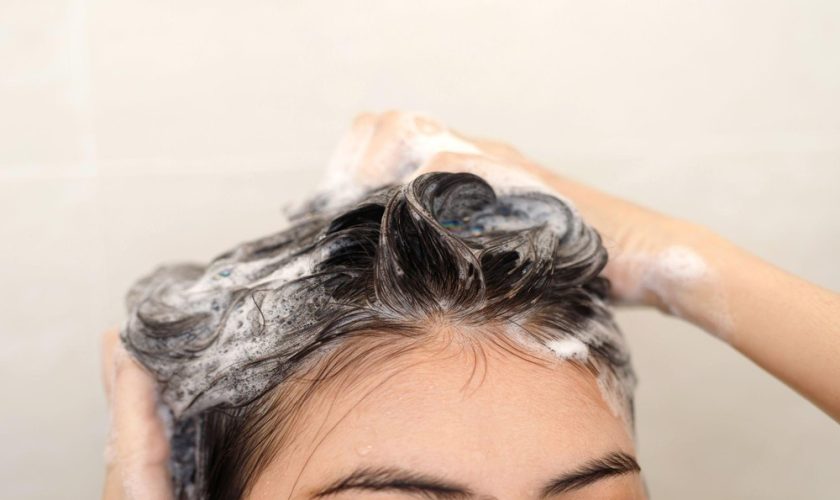
Managing dandruff does not require an elaborate routine. A practical approach often works best. Start with an anti-dandruff shampoo, two or three times per week. Leave the shampoo on the scalp for a minute before rinsing so the active ingredients have time to work.
On other days, wash with a shampoo for a sensitive scalp to maintain comfort and hydration. Some people even follow with a lightweight conditioner, focusing on the hair length rather than the scalp.
Small habits help as well. Avoid scratching the scalp, rinse thoroughly after workouts, and keep hair tools clean. In Singapore’s warm climate, these details quietly support scalp health.
Conclusion
Dandruff can feel frustrating, yet the solution is usually straightforward. Using anti-dandruff shampoo in Singapore two to three times a week tends to keep flakes under control while protecting the scalp’s natural balance.
For those prone to irritation, alternating with a shampoo for a sensitive scalp provides a gentler approach that still supports healthy hair. The routine may take a little experimentation, but once the right rhythm is found, the scalp usually responds quickly.
Looking for effective scalp care products? Contact Bee Choo Origin today to explore high-quality anti-dandruff solutions designed for healthier hair and long-lasting scalp comfort.