

แทงบอลออนไลน์
August 2026 - Wam Times

August 2026

Lifestyle

How do reviewers evaluate the best THCA disposable vapes on quality?

Product review methodology for THCA disposable vapes goes beyond surface-level impressions of packaging or first-draw experience. Reviewers assessing the best THCA disposable vapes apply a structured evaluation process that covers hardware construction, extract quality, and real-world session performance across the full lifespan of the device rather than forming conclusions from a single use.

Hardware assessment

Hardware assessment is the starting point for any serious THCA disposable vape review because construction quality determines how well every other performance variable holds up across extended use. Reviewers examine physical build quality, component materials, and design decisions that indicate whether the device was engineered for the specific demands of high-concentration THCA extract.

Coil material is the primary hardware variable reviewers assess because it determines heat distribution quality, residue resistance, and session count reliability more than any other single component. Ceramic coil construction signals purpose-built THCA hardware while metal alternatives indicate a device adapted from lighter distillate hardware without accounting for the viscosity and temperature demands of dense extract. Chamber construction, mouthpiece material, airflow channel geometry, and battery housing quality are all examined as secondary hardware variables that contribute to the overall assessment of whether the device is built to sustain performance across extended use rather than delivering strong initial impressions that decline quickly.

Extract quality review

Extract quality review examines what is inside the device rather than how the hardware is constructed, covering cannabinoid concentration, extraction method, terpene content, and third-party laboratory documentation that independently verifies the product’s formulation claims.

  1. Cannabinoid percentage verification confirms that THCA concentration on the label matches what batch-specific third-party testing found in the oil during independent analysis.
  2. Extraction method assessment evaluates whether live resin, cured resin, or distillate processes were used and how that method affects terpene content and compound complexity in the finished oil.
  3. Terpene profile examination identifies which compounds are present in the formulation and whether they are naturally derived from the source plant or added back as botanical alternatives after extraction.
  4. Purity panel review covers residual solvent results, heavy metal screening, and pesticide testing to confirm that the oil meets safety standards across all three contamination categories.

Session performance testing

Session performance testing is where reviewers move from documentation and construction assessment into actual use evaluation across multiple sessions that reflect realistic consumer use patterns rather than controlled single-draw testing conditions.

Reviewers assess draw consistency across the full oil reserve rather than only at first use, specifically looking for the performance changes that accumulate as battery charge depletes, coil residue builds, and oil volume decreases across the session count the device is designed to deliver. Vapour density consistency, draw resistance stability, flavour accuracy across sessions, and battery performance across the charge cycle are all measured across repeated use rather than inferred from hardware specifications alone. Devices that maintain consistent output from first session to last receive stronger assessments than those that perform well initially but show measurable decline before the oil reserve is finished, regardless of how impressive their hardware specifications appear on the product listing.

Reviewers who assess THCA disposable vapes across hardware construction, extract documentation, and real session performance build evaluations that reflect actual product quality rather than first impressions. Consumers who follow structured review criteria rather than relying on brand claims alone make more accurate purchasing decisions across repeated purchases within this product category.


read more
Food

How do Delta 9 Gummies differ from their competitors?

Shelf space in the delta 9 category has never been tighter. Dozens of brands carry nearly identical milligram counts, similar packaging language, and comparable price positioning. This makes surface-level comparison almost useless for anyone trying to identify genuine quality differences. The difference between products that consistently perform and those that look the part happens below the label. These are inside decisions about sourcing, extraction, formula design, and manufacturing discipline that front packaging rarely communicates accurately. Identifying where the best delta 9 gummies actually earn that description cuts through category noise more reliably than any top ten list assembled from brand submissions.

Extract quality over milligram count

Milligram figures dominate delta 9 marketing because they translate easily into comparison. Higher numbers suggest stronger products, and stronger reads as better to most buyers without prior experience to challenge that assumption. Extract quality tells a more honest story than any number printed large on a front panel.

Full-spectrum extract carries the complete cannabinoid and terpene family that the source plant produced, which distillate refinement removes during processing. That chemical breadth changes how a serving performs at the receptor level through entourage interactions; no isolated compound replicates. A 10mg full-spectrum piece and a 10mg distillate piece carry the same headline figure and deliver noticeably different experiences across sessions.

Formula design beyond delta 9

Competing products treat delta 9 as the sole active ingredient and build everything else around delivery and flavour. Leading formulas treat the cannabinoid ratio as a design decision that determines what the serving actually accomplishes rather than simply how strong it feels at peak.

  • Clarity or sedation is determined by the CBD ratio.
  • CBG additions address physical tension that delta-9 and CBD may leave partially uncovered.
  • CBN inclusions shift evening formulas toward genuine sleep support without separate products.
  • Terpene selection reinforces the intended effect through pathways cannabinoid panels alone never capture.

Brands designing around purpose rather than potency produce pieces that suit specific needs rather than delivering a generic effect. This is regardless of when or why someone takes them.

Manufacturing consistency across batches

A single impressive session from one purchase means considerably less than consistent performance across three or four separate purchases over several months. Batch variation in hemp-derived products exists for legitimate agricultural reasons, though manufacturing discipline determines how much that variation affects the finished piece a consumer actually receives.

Consistent cannabinoid distribution within individual pieces from the same bag signals mixing discipline during production. Pieces from a well-manufactured batch read identically across the full bag rather than varying noticeably between one gummy and the next. That internal consistency extends to batch-level documentation, where third-party certificates dated to specific production runs confirm what each purchase actually contained rather than what the formula targets under ideal conditions that agricultural inputs occasionally fail to deliver.

Transparency as a quality signal

Transparency in documentation separates quality brands from appearance brands. A complete certificate of analysis covering cannabinoid percentages, terpene profiles, residual solvent levels, heavy metal screening, and pesticide panels requires testing that cheaper operations skip.

Brands providing this documentation without requiring buyers to request it demonstrate manufacturing confidence that marketing language alone cannot convincingly substitute for. Certificates dated within recent months confirm active testing rather than historical results carried forward across new production runs that may have changed considerably since the original testing occurred.

The difference between the leading delta 9 products and their competitors lies in the decisions that were made long before packaging design and marketing copy, in the extraction systems, the sourcing relationships, the formula ratio, and the testing commitments that are documented in documentation rather than on the packaging.

read more
Self-Improvement

75 Hard Challenge for Busy Professionals: Practical Strategies to Stay Consistent

Daily responsibilities easily consume valuable energy and attention before healthy habits receive proper focus. However consistent planning creates better results without adding unnecessary pressure. Now every small action gradually builds stronger discipline through steady commitment and thoughtful preparation. Many people discover that realistic routines support lasting progress while reducing unnecessary stress across demanding schedules.

Build a Daily Routine That Fits Professional Life

Creating a practical routine remains the strongest foundation for completing the 75 hard challenge despite demanding work commitments. Andy Frisella introduced this demanding program to encourage greater discipline through consistent daily actions instead of temporary motivation. So careful preparation keeps every responsibility organized while supporting both professional growth and personal improvement without constant frustration.

Plan Every Day Before Work Begins

Successful professionals rarely depend upon unpredictable motivation because thoughtful preparation creates dependable daily consistency across changing schedules. Preparing meals beforehand saves valuable time while reducing unnecessary decisions during demanding working hours. Morning exercise often provides greater flexibility because unexpected meetings usually appear later during busy afternoons. The workplace becomes easier to manage whenever personal discipline develops alongside professional responsibility.

Handle Unexpected Challenges Without Losing Momentum

Every demanding career eventually presents sudden interruptions that threaten carefully planned healthy routines and consistent progress. Flexible thinking allows meaningful adjustments while protecting important daily commitments from unnecessary disruption or discouragement. Andy Frisella frequently emphasizes personal responsibility because lasting improvement depends upon consistent effort during comfortable and difficult situations alike.

Protect Energy Through Better Recovery Habits

Long working hours require balanced recovery because exhausted minds often struggle with consistent healthy decision making every day. Nutritious meals support sustained energy while quality sleep encourages better concentration throughout challenging professional responsibilities. Healthy hydration also improves physical performance while supporting sharper mental focus across demanding workplace environments. But simple recovery habits strengthen determination because refreshed professionals usually complete important daily commitments with greater confidence and steady enthusiasm.

Develop a Long-Term Mindset for Lasting Success

Meaningful transformation rarely appears through quick achievements because genuine progress grows steadily across disciplined daily efforts. Busy professionals benefit from celebrating consistent actions instead of expecting immediate visible results after every completed task. Andy Frisella continues inspiring many individuals through the belief that disciplined habits create stronger character over extended periods.

FAQ

How Can Frequent Business Travel Support Consistent Challenge Completion?

Careful planning before every journey allows exercise nutrition and reading habits to continue without unnecessary disruption.

What Approach Works During Demanding Project Deadlines?

Flexible scheduling completed before work or after work helps maintain daily commitments while reducing unnecessary pressure.

Can Workplace Breaks Become Productive Fitness Opportunities?

Short walking sessions stretching activities and mindful recovery habits help maintain physical consistency throughout busy working days.

How Should Professionals Prepare for Unpredictable Meeting Schedules?

Daily priorities planned during early mornings provide greater flexibility whenever unexpected workplace responsibilities suddenly appear.

read more
Tech

Harmonic and Flicker Testing Explained with Practical Applications for Electronic Devices

Electrical disturbances have a sneaky way of undermining even the most sophisticated electronic devices, often without a single warning sign until lights begin to flicker or equipment malfunctions. These disruptions, known as harmonics and flicker, are not just technical jargon. They represent very real challenges in power quality that can affect device performance, shorten lifespans, and even throw entire facilities off balance.

What Are Harmonic and Flicker Disturbances in Electronic Devices?

Defining Harmonics: Causes and Characteristics

Picture the perfect sine wave of an electrical current. Now imagine that wave distorted by extra, unwanted frequencies layered on top, creating a jagged, irregular signal. Those are harmonics in action. Caused by non-linear loads such as computers, LED lighting, and variable-speed drives, harmonics are multiples of the fundamental frequency (usually 50 or 60 Hz). Not only do they alter the quality of power, but they can also trigger overheating and excessive wear in electrical systems.

Understanding Flicker: What Causes Light Fluctuations?

Flicker is what happens when voltage fluctuations in the power supply cause perceivable changes in light intensity. Have you ever noticed lights dimming or brightening as large devices switch on or off? Flicker is responsible for that visual annoyance, which, at severe levels, can lead to discomfort or even health concerns for building occupants.

Why These Disturbances Matter in Power Quality

When harmonics and flicker slip past unnoticed, the consequences ripple throughout the entire electrical environment. Power losses increase, sensitive equipment can malfunction, and complaints about lighting quality become common. For manufacturers, failing to tame these disturbances can mean costly recalls or denied product certifications.

How Are Harmonic and Flicker Emissions Measured?

Overview of Testing Standards (IEC 61000-3 Series)

International standards keep everyone on the same page. Harmonic and flicker testing is primarily guided by the IEC 61000-3 series, including:

– IEC 61000-3-2 (harmonic current emissions)

– IEC 61000-3-3 (voltage fluctuations and flicker)

– IEC 61000-3-11, and 61000-3-12 for higher-power equipment

These standards detail acceptable emission limits for devices connected to public low-voltage networks.

Equipment and Methods Used in Harmonic Testing

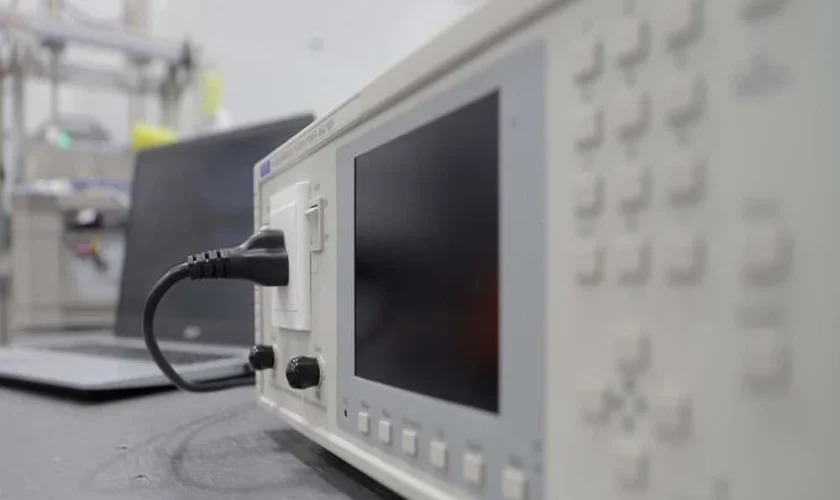
Testing for harmonics requires precise instrumentation, including power analyzers and spectrum analyzers that can capture current waveforms and decompose them into fundamental and harmonic components. Devices under test are operated under typical loading, and results are carefully compared to regulatory thresholds.

Techniques for Measuring Flicker Effects

To quantify flicker, test labs simulate real-world power line conditions, monitoring voltage changes and translating them into metrics like short-term and long-term flicker severity (Pst and Plt). Specialized flicker meters help determine whether a device’s emissions are perceptible or disruptive.

What Are the Practical Implications of Harmonic Distortion?

Impact on Power Systems and Grid Stability

Unchecked harmonics don’t just threaten individual devices. They can interact across the entire electrical grid, causing overheating in transformers, excessive neutral currents, and premature equipment failures. Utilities sometimes charge penalties for customers who introduce excessive harmonics.

Effects on Electronic Device Performance and Lifespan

Harmonic distortion can lead to:

– Reduced efficiency in motors and transformers

– Data loss or malfunction in sensitive electronics

– Overheating and degraded insulation in wiring

Over time, these effects accumulate, cutting into a product’s expected lifespan and increasing maintenance costs.

Economic Consequences for Manufacturers and Consumers

For manufacturers, failing compliance testing means costly redesigns or lost market access. Consumers may face higher energy bills and frequent repairs. In regulated markets, non-compliant products may even be banned from sale.

How Does Flicker Affect Electronic Devices and Lighting Systems?

Visual and Operational Impact on Lighting Quality

Even minor flicker can cause eyestrain, headaches, and complaints about lighting quality in homes and offices. In high-precision environments, such as laboratories or manufacturing lines, flicker can even disrupt sensitive measurements or processes.

Flicker-Induced Issues in Sensitive Equipment

Medical devices, broadcast equipment, and laboratory instruments are especially vulnerable, where flicker can mean the difference between a correct reading and a costly error.

Regulatory Limits and Compliance Requirements

Authorities in the EU, North America, and Asia enforce strict flicker emission limits. Products that do not comply with these constraints simply cannot enter certain markets.

What Testing Procedures Are Involved in Harmonic and Flicker Assessments?

Step-by-Step Process of Conducting Harmonic Testing

A typical harmonic testing process involves:

1. Conditioning the device under test as per standard guidelines

2. Measuring emission levels under various load conditions

3. Comparing results against relevant standards

4. Generating detailed compliance reports

Flicker Testing Protocols and Threshold Determination

Flicker testing calls for simulating network disturbances and monitoring the device’s impact on light fluctuation indices. Passing means staying below perceptibility thresholds set by IEC 61000-3-3.

Common Challenges and Troubleshooting in Testing

False positives caused by test setup errors, fluctuating ambient conditions, and incorrect loading are common hurdles that expert labs know how to avoid.

How Do Manufacturers Use Harmonic and Flicker Testing to Ensure Compliance?

Integrating Testing in Product Development Cycles

Sophisticated manufacturers bake compliance testing into every design stage, not just as a last-minute hurdle. Early detection of emission issues allows for efficient fixes without derailing schedules or budgets.

Navigating International Certification and Market Access

Meeting global standards opens doors to markets worldwide. The right partner lab streamlines certification for CE marking in Europe, FCC in the US, or other global requirements.

Case Studies: Successful Certification through Testing

Countless products reach shelves on time and without costly recalls thanks to early and thorough harmonic and flicker testing, building consumer trust and brand reputation.

What Are the Latest Advances and Trends in Harmonic and Flicker Testing?

Innovations in Measurement Technology

Modern test labs now use real-time analytics and automated test rigs, making compliance checks faster and more accurate than ever.

Emerging Standards and Regulatory Updates

As renewable energy devices and smart electronics proliferate, standards like the IEC 61000-3 series are evolving to address new sources of interference.

Future Challenges for EMC and Power Quality Testing

The rise of electric vehicles, solar inverters, and high-efficiency lighting means even more scrutiny on power quality, demanding innovation from both manufacturers and testing labs.

Where Can You Access Professional Harmonic and Flicker Testing Services?

Choosing an Accredited EMC Testing Laboratory

Not all labs are created equal. Look for those with ISO/IEC 17025 accreditation, ensuring both technical competence and impartiality.

Benefits of ISO/IEC 17025 Accreditation

Accreditation means test results are globally recognized and trusted, smoothing the way for international product launches.

How to Prepare Your Product for Testing and Certification

Thorough documentation, clear test plans, and early consultation all help streamline the path from design to market. For comprehensive support and peace of mind, many manufacturers turn to resources like Stancer Testing-Lab EMC testing, which offers expert guidance and accredited services for compliant, market-ready products.

read more